"Argentina and Chile: reflections from COP4 of the Escazú Agreement"
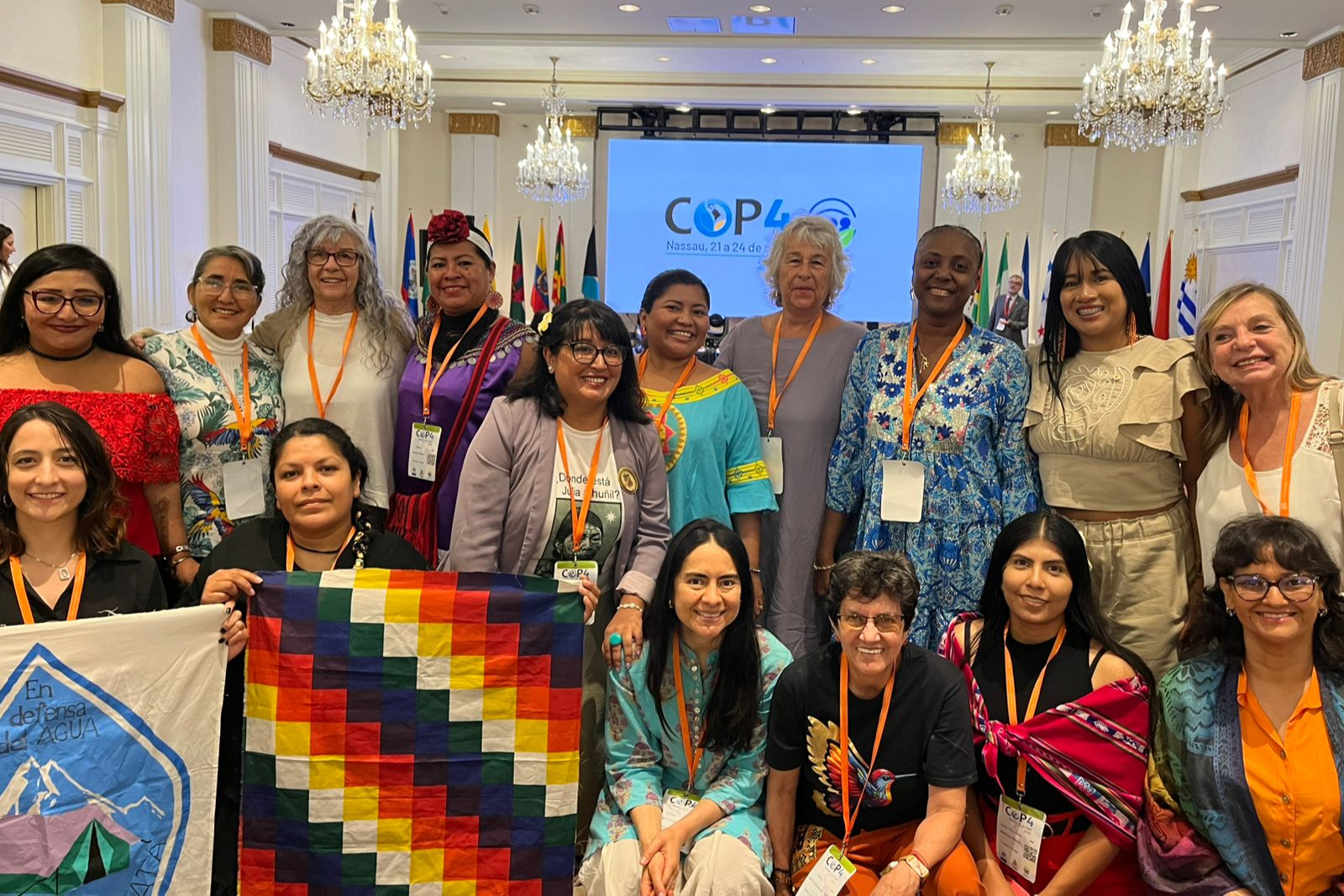
Collab: Bárbara Astudillo Delgado ("Protege Los Molles Foundation" Chile)
Johana Itati Brida ("Water Assemblies of Mendoza" Argentina).
Article developed in collaboration with socioenvironmental representatives and organizations from Argentina and Chile participating in COP4 of the Escazú Agreement.
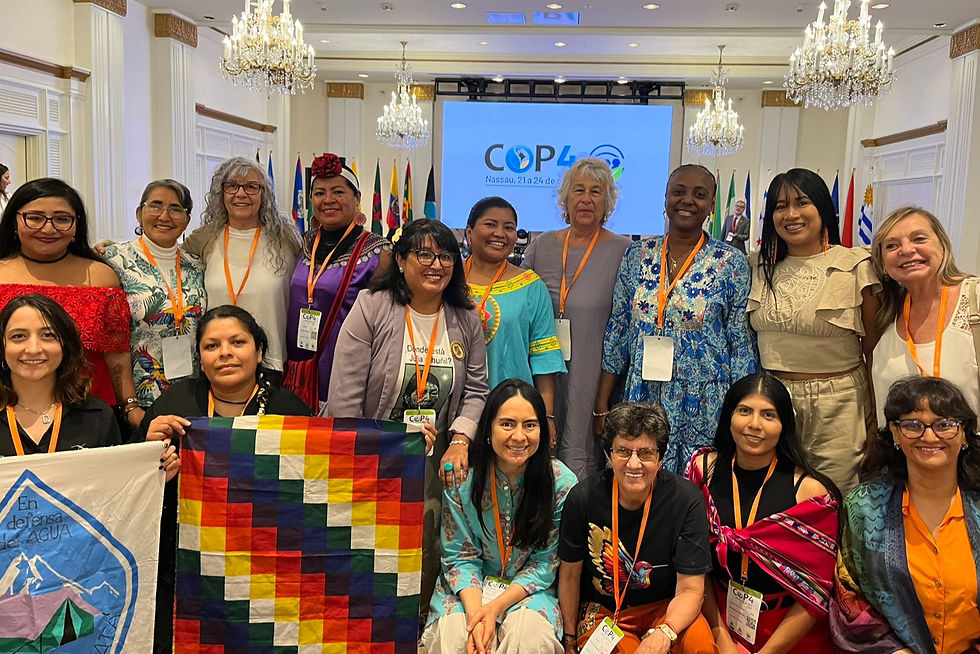
Between April 20 and 24 the fourth Conference of the Parties to the Escazú Agreement (COP4) was held in the Bahamas. This regional meeting brought together representatives of governments, civil society organizations, communities, and experts from Latin America and the Caribbean to discuss access to environmental information public participation and the protection of individuals involved in environmental defense.
The conference enabled the exchange of experiences regarding environmental challenges affecting different territories across the region with particular emphasis on water protection glacier and watershed conservation and the need to strengthen public participation mechanisms in environmental decision-making processes.
Representatives from Argentina and Chile shared reflections on the importance of promoting dialogue transparency and regional cooperation in the face of environmental issues that affect both communities and ecosystems.

One of the key points highlighted during the meeting was the need to advance toward sustainable development models capable of integrating economic growth environmental protection and social well-being. In this regard emphasis was placed on the importance of creating spaces where communities can access clear information actively participate and express their perspectives on projects that may generate environmental impacts. Throughout the different sessions experiences related to water resource management in the context of climate change and water scarcity were also addressed sharing challenges and lessons learned between both countries.
The Chilean environmental advocate Bárbara Astudillo Delgado provided insights based on observed transformations in territories affected by waterrelated challenges and stressed the importance of strengthening cooperation between communities and organizations in the region to promote longterm and sustainable solutions.
Additionally the participation of Johana Itati Brida from Asambleas por el Agua of Mendoza focused on challenges related to access to public environmental information citizen participation in decision making processes and water resource management within the context of the climate crisis.
Tools aimed at improving environmental transparency and public access to information were also discussed including mechanisms that enable enhanced citizen monitoring and broader participation in environmental matters promoting inclusive participation spaces that take into account the diversity of communities and realities across Latin America and the Caribbean.

The importance of protecting those who participate in environmental defense:
As previously mentioned one of the main topics addressed during the conference was the need to strengthen the protection of individuals and communities actively engaged in environmental matters and in the promotion of access to water information and public participation.
The Escazú Agreement establishes principles related to access to environmental public information public participation and access to environmental justice while also promoting safe and enabling environments for those working and engaging in these areas.
Argentina ratified the Agreement through Law N° 27.566 in force since 2021, incorporating these principles into its national legal framework and reaffirming its commitment to environmental transparency and public participation.
Chile officially ratified the Escazú Agreement in 2022 (Decree N° 209) strengthening a regional agenda oriented toward cooperation environmental democracy and the development of dialogue mechanisms between communities institutions and different sectors of society.
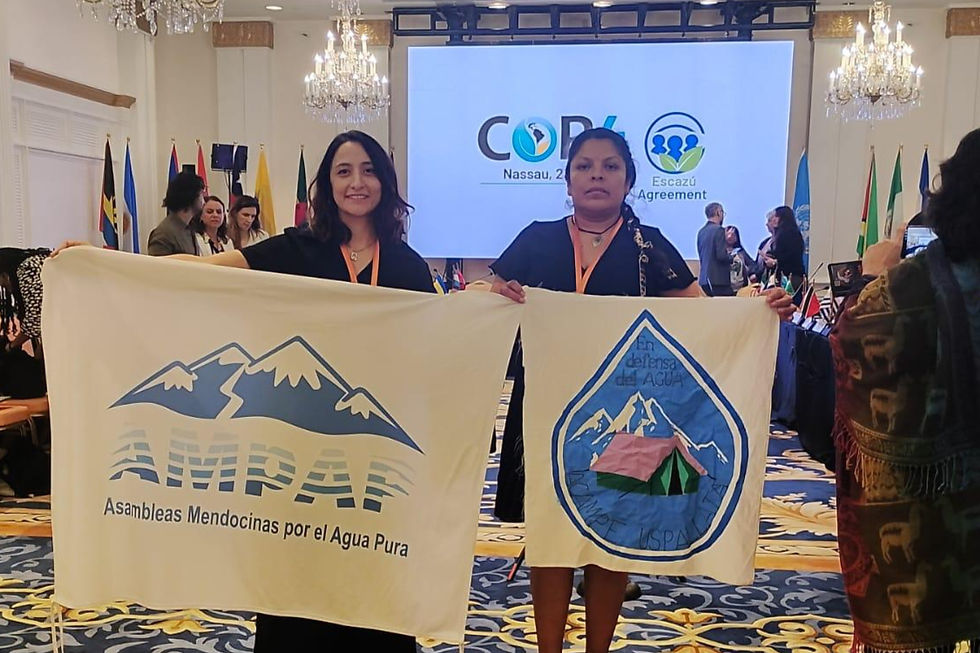
The COP4 once again highlighted the value of exchange among territories knowledge systems and diverse experiences across Latin America where water and the environment emerge as both unifying elements and shared concerns. Beyond technical discussions there was a strong emphasis on the need to sustain spaces where voices can be heard and shared understandings can be built in response to increasingly complex environmental realities.
The recognition that the Escazú Agreement still has a significant path ahead in terms of effective implementation particularly in its concrete application within territories and in the daily lives of communities is key to understanding a world shaped by profound environmental transformations. Across all discussions participants agreed on a central idea that transcends borders: the protection of water and common goods is not only a technical or political challenge, but also a shared responsibility that calls into question how we inhabit the present and imagine the future #ForABetterWorld


Comments